What “Working With Insurance” Actually Means
A lot of contractors say they “work with insurance.” The phrase is loose enough to mean anything. Before signing anything, know what it actually should include.
On-site inspection with your adjuster. The roofer meets the adjuster on your roof to walk the damage together. Prevents disputes over what’s covered.
Xactimate-format estimates. This is the pricing software insurance companies use. Estimates in this format get approved faster and with fewer supplements.
Code compliance scope. Local building codes often require upgrades (ice shield, ventilation, etc.) that insurance covers if properly documented.
Supplement filings when underpaid. If the first approval is short, a proper contractor files supplements with photo evidence to increase the settlement.
What it does NOT mean: the roofer files your claim, waives your deductible, or acts as your public adjuster. Any of those is either illegal or a scam.
The Typical Insurance Claim Timeline
From damage to check in hand is usually 4—8 weeks. Here’s the sequence most claims follow.
1Day 1: Damage Occurs
Document immediately. Photos, videos, weather report screenshot. Do not clean up before documenting.
2Day 1—3: Call Insurance and Roofer
Open the claim, get a claim number. Same day, call a roofer to schedule an inspection. Don’t wait for insurance to move first.
3Week 2: Adjuster Inspection
Insurance sends an adjuster. Your roofer should be present. They walk the roof together to agree on what’s damaged.
4Week 3—4: Estimate and Approval
You receive the insurance estimate. Your roofer reviews for accuracy. Supplements filed if underpaid.
5Week 4—6: Payment and Scheduling
First check arrives. Work scheduled. Second check (recoverable depreciation) after work is completed.
6Week 6—8: Install and Final Payment
Roof installed. Certificate of completion sent to insurance. Final depreciation released.
What to Document Before the Adjuster Arrives
Adjusters have a fixed amount of time per house. The more you show them upfront, the more thorough the settlement.
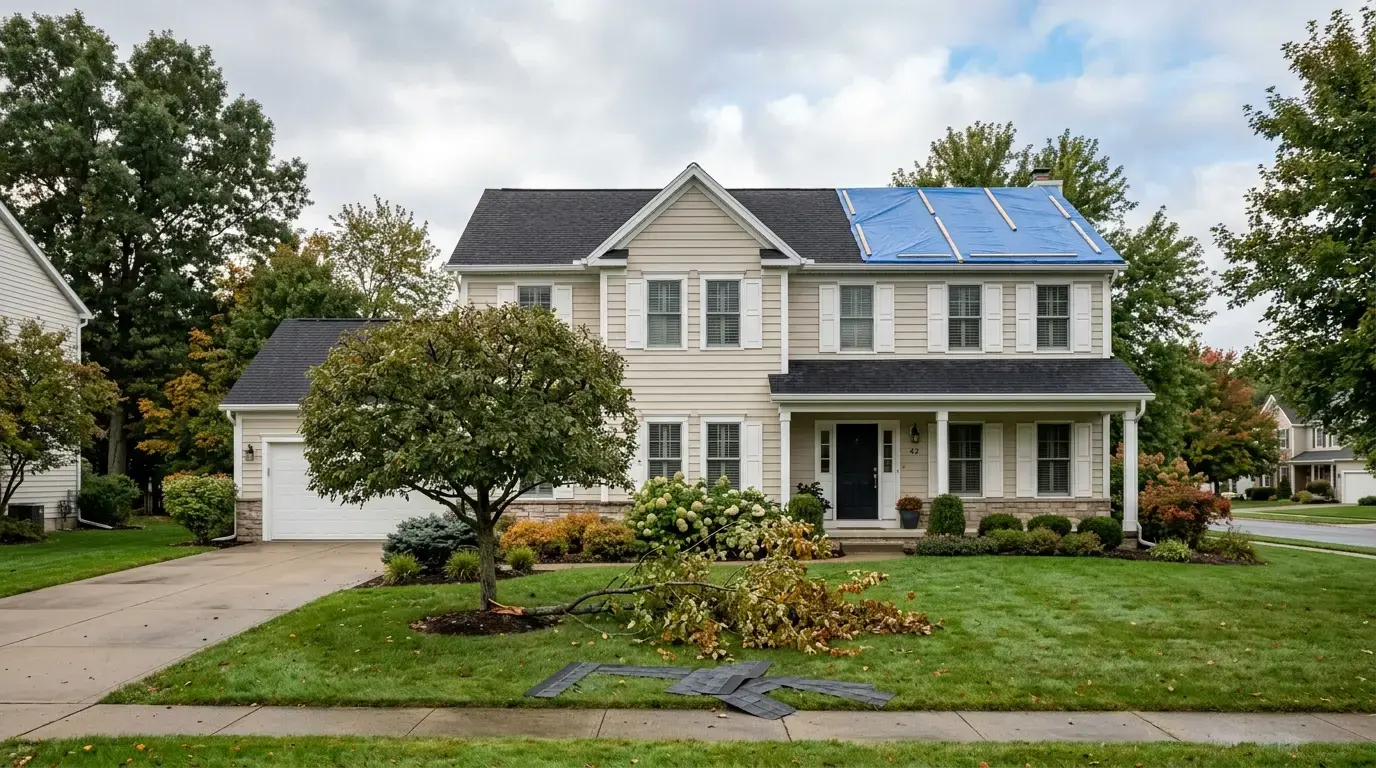
Ground-level photos of all four sides of the house showing visible damage
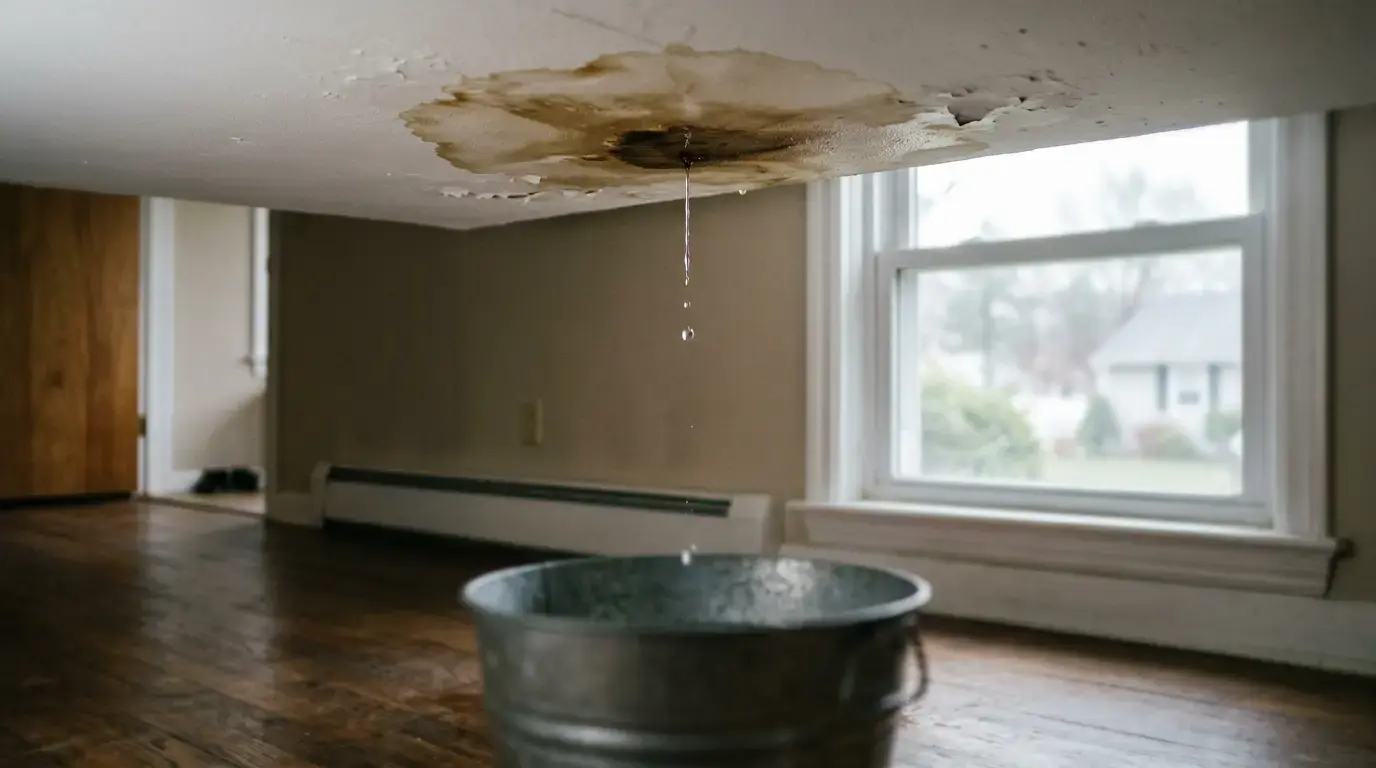
Interior photos of any water stains, sagging ceilings, damaged flooring
Weather report screenshot from the day of the storm with date and location
Debris photos if branches or hail damaged property
Neighbor comparison if surrounding homes show similar damage (validates the storm event)
What a Good Roofer Brings to the Adjuster Meeting
The right tools and documentation format make the difference between a $12,000 approval and a $18,000 approval on the same damage.
A ladder that actually gets on the roof. Some adjusters won’t climb. A roofer on the roof documents damage the adjuster misses.
Drone photos when needed. Overhead shots that show hail impact patterns and wind damage across the whole roof.
Xactimate-format estimate. Line-item pricing in the software the adjuster uses. Speeds approval by weeks.
Code upgrade documentation. Local requirements often mandate ice shield, drip edge, ventilation. Insurance pays if properly cited.
Red Flags — Roofers to Avoid
Storm season brings out the worst in the industry. Any of these signs, walk away.
“We’ll get your deductible waived.” This is insurance fraud. Illegal in New York. Reported to the state.
Door-knockers after storms. Legitimate local contractors don’t need to canvass. Storm-chasers vanish after cashing checks.
No local address or established business. Verify NY contractor license. Check Google reviews with photos of local work.
Cash-only demands. Insurance issues checks. Cash means no paper trail, no warranty enforcement.
“Assignment of Benefits” contracts without terms. Never sign anything giving the contractor rights to your insurance settlement without a lawyer reviewing it.
Never Pay in Full Upfront
Standard payment structure is a deposit, progress payment when materials arrive, final payment on completion. Any contractor demanding full payment before starting is a fraud risk.
When Your Claim Gets Denied
Denials happen. They’re not final. Here’s the process to appeal.
Step 1: Get the Denial in Writing
Insurance must specify the reason for denial. Most denials cite “wear and tear” or “maintenance issues” for what was actually storm damage.
Step 2: Second Roofer Inspection
An independent second opinion with photo documentation is your strongest appeal evidence. Look for hail bruising, wind uplift patterns, and impact spatter.
Step 3: File the Appeal
Most policies allow 60—90 days to appeal. Include the second inspection, additional photos, and any evidence of storm intensity in your area.
Step 4: Consider a Public Adjuster
For denials over $10,000, a public adjuster (paid a percentage of settlement) can be worth it. They work for you, not the insurance company.
The Bottom Line
A roofer who works with insurance properly is worth 15—25% more on your settlement. That’s not upsell — it’s getting the money the policy already owes you. Documentation, Xactimate pricing, and being on the roof with the adjuster are the difference.
If you have fresh storm damage or a denied claim, the sooner you get a real roofer involved, the more the policy will pay. Book a free inspection and we’ll walk you through the claim process from the first call to the final check.