Siding fails slowly, then all at once. The difference between a $500 repair and a $15,000 replacement is often just how many warning signs you ignored on your morning walk-around. Knowing where to look changes the price.
Signs of Normal Wear (Repair Territory)
Not every issue with siding means replacement. These are the signs that a repair will hold and extend your siding’s life another 5—15 years.
Faded color in sun-exposed sections. South and west-facing walls fade first. If the rest of the siding is intact, a color-matched repaint restores the look.
Minor cracking on 1—3 boards. Individual board replacement is straightforward. Isolated cracks don’t indicate systemic failure.
Small holes from bird pecks or storm debris. Woodpecker damage, small hail marks, tree branch impacts. All fixable with patch or single-board swap.
Loose sections after high wind. Vinyl in particular can unlock at seams. A properly trained installer relocks them in an hour.
Failed caulk at trim joints. Caulk lasts 5—10 years. Re-caulking around windows and doors is preventative, not full replacement.
Signs of Structural Failure (Replace Territory)
These signs mean the siding is done. Repair money spent here is money wasted.
Warping or buckling across multiple sections. Indicates moisture behind the wall or heat damage. Won’t self-correct.
Gaps at seams that open in cold weather. Material has lost its ability to expand and contract properly. End of service life.
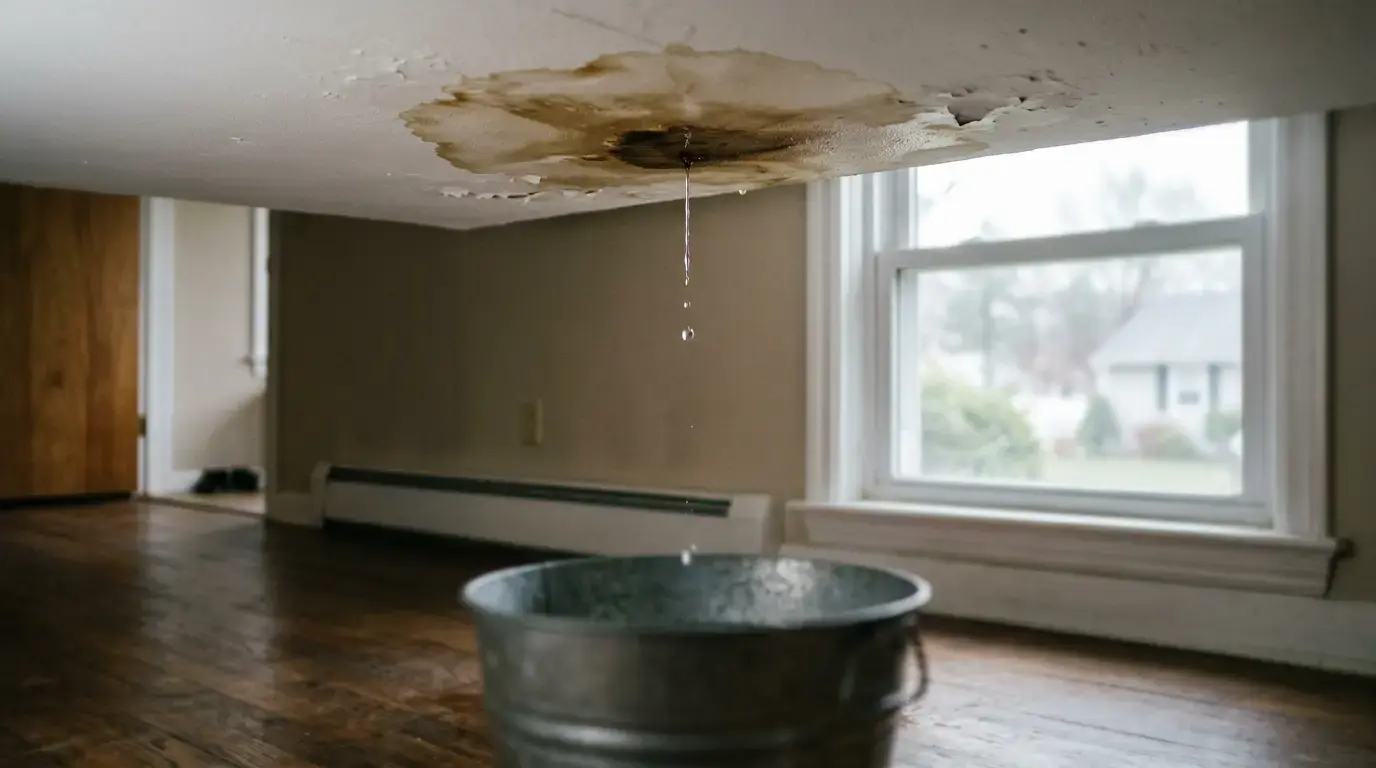
Moisture behind the wall. Signs: bubbling paint on interior walls, musty smells, water stains that appear without a leak visible outside.
Rot at bottom courses near foundation. If the bottom boards are soft or crumbling, water has been getting behind the siding for years. Structural sheathing is likely damaged too.
Fungus or mildew that returns after cleaning. Repeated growth in the same spot means moisture inside the material. Cleaning treats symptom, not cause.
Sharp increase in heating and cooling bills. When siding stops insulating properly, the HVAC works harder. A 15—25% jump often traces to siding failure.
Rot at the Foundation Is Never Just Siding
If bottom boards are rotted, the sheathing behind them almost always is too. Sometimes the framing itself. Budget for repairs beyond just the siding when you plan the project.
How to Check Behind Your Siding
A 20-minute walk-around gives you enough information to know if you need a professional inspection.
1Look at the Joints
Gaps larger than a nickel indicate expansion issues. Small gaps are normal; big ones are a warning.
2Press with Your Fingertips
Any softness, sponginess, or give indicates moisture damage. Solid siding should feel rigid across the whole surface.
3Check Interior Walls
Bubbling paint, water stains without a plumbing source, or musty smells against exterior walls all indicate siding failure.
4Look at the Foundation
Dark stains, efflorescence (white powder), or moss growth at the base of the wall means water has been running behind the siding.
Material Life Spans
Every material has a predictable life. When yours approaches the end, plan replacement instead of investing in repairs that won’t justify themselves.
Vinyl siding: 20—40 years. Modern vinyl outlasts old vinyl by decades. Look at manufacturer warranty terms.
Fiber cement (Hardie board): 30—50 years. Very low maintenance. Handles New York weather exceptionally well.
Wood siding: 20—40 years with regular paint or stain. Without maintenance, drops to 10—15.
Aluminum siding: 25—40 years. Dents are cosmetic; rarely leads to failure.
Cost Ranges
Real numbers to help you decide if repair makes sense or if it’s time to commit to full replacement.
Repair Costs
Single board replacement: $150—$400
Section repair (10—20 boards): $500—$1,500
Full wall recaulk: $800—$1,500
Repaint (existing siding good): $3,000—$8,000
Full Replacement Costs
Vinyl: $6—$12 per square foot
Fiber cement: $10—$16 per square foot
Wood: $8—$14 per square foot
Insulated siding: add $2—$4 per square foot
The 30% Rule
If more than 30% of the siding shows signs of failure, full replacement almost always costs less over time than progressive repairs. Patching a failing system delays the inevitable while extending the damage.
The Insurance Angle
Insurance treats siding damage similarly to roof damage claims. Sudden storm damage is covered; wear and tear is not.
Storm Damage (Covered)
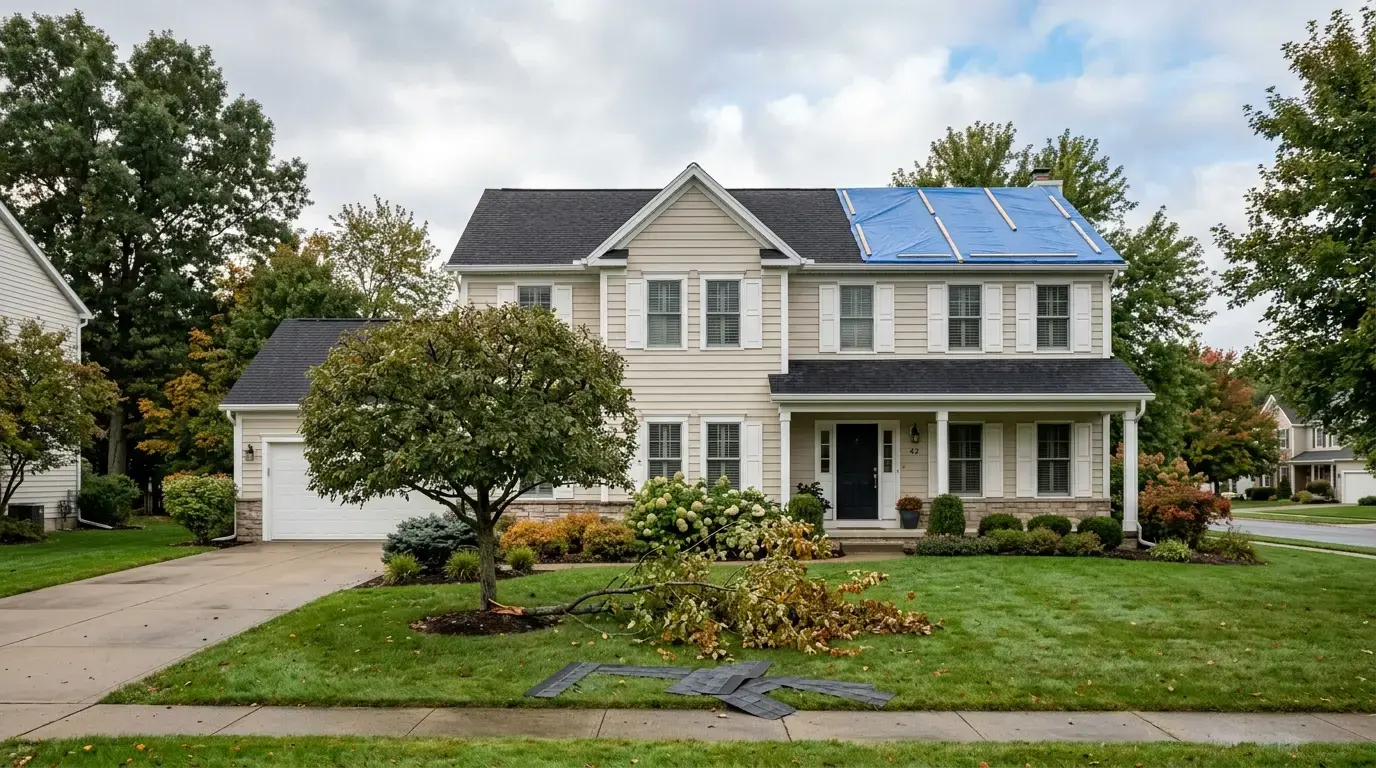
Wind impact from debris, hail damage, tree strike. Document with photos of the storm date and immediate damage. File within your policy’s timeframe (usually 60 days).
Wear and Tear (Not Covered)
Aging siding, sun fade, gradual moisture damage, poor original installation. Insurance considers these homeowner responsibility.
The Bottom Line
The signs of siding failure show up months or years before catastrophic damage. Catching them at the right stage means a $1,500 repair instead of a $18,000 replacement plus interior water damage.
Once you see multiple failure signs (warping, moisture, rot at foundation, energy bill spike), the decision has already been made by the wall itself. Full replacement in that case is the cheapest option because it’s the last one you’ll pay for. Book a free siding inspection to know exactly where your home stands.